
Start composting by choosing the right local option
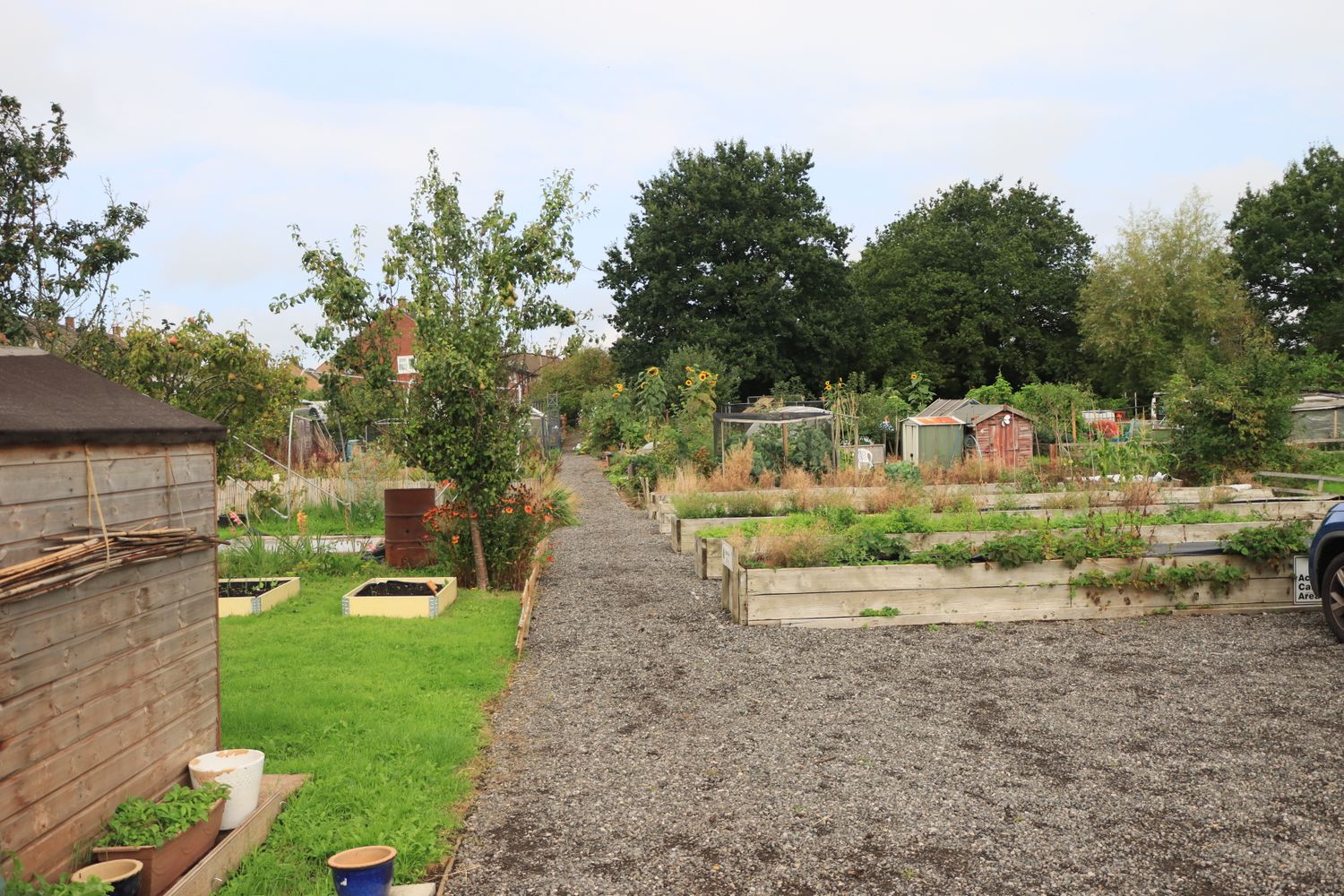
Composting can mean a garden system, a community collection point or a municipal service. The best starting question is which option fits your space and local rules. EPA guidance explains that different composting approaches accept different materials; a package label alone does not tell you what your local system can process.
Check the destination before collecting scraps
Find the current accepted-materials list from the operator you plan to use. A backyard pile and an industrial facility are not interchangeable. Ask about packaging, collection containers and contamination rules. If you live in a shared building, discuss storage and collection arrangements before placing a bin in a communal area. A small amount collected reliably is a better start than a large system nobody wants to maintain.
Give the routine an owner and a schedule
Choose where the container will stay, who will empty it and how it will be cleaned. Follow the operator’s instructions for storage and pest prevention. Review the arrangement after a few collections and change anything that causes confusion. Composting is one way to handle suitable scraps; planning purchases and using food safely remain separate ways to prevent avoidable waste in the first place.
Try this, one step at a time
- Verify what the chosen system accepts.
- Agree who empties and cleans the container.
- Start small and review the practical details.
US EPA: Composting at Home ↗
Checked September 7, 2026. This guide distinguishes attributed information from our practical suggestions. Local rules and services may differ.