
Give leftovers a visible place before planning another shop
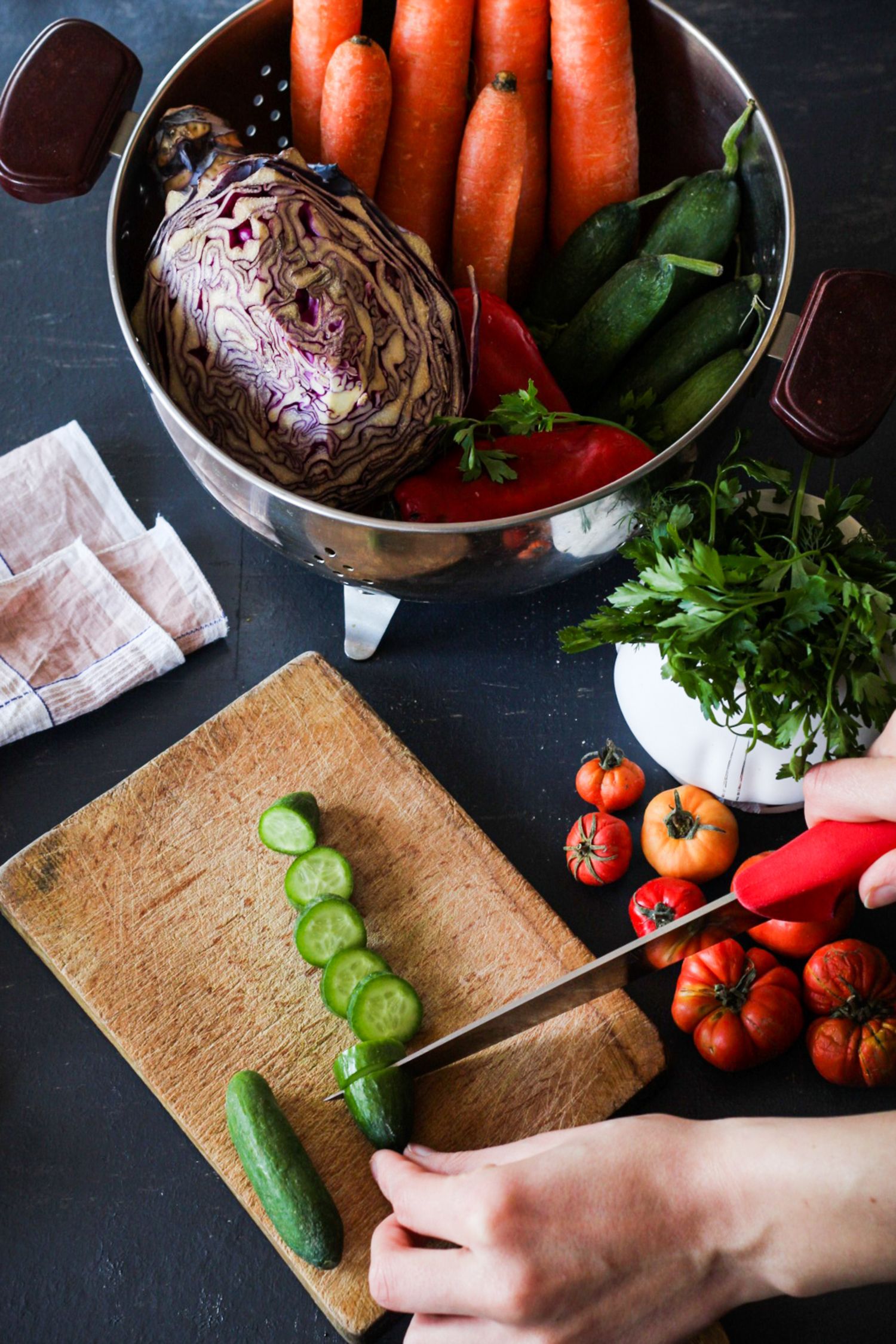
It is easy to forget food when several containers look alike or disappear behind newer purchases. A visible place for food that needs attention can make meal planning more concrete. The EPA’s food-waste guidance encourages households to plan around what they already have and improve storage practices.
Start with an inventory, not a recipe search
Before making a shopping list, look through the fridge, freezer and cupboards. Identify items you can safely use and write them down. Keep food-safety dates and storage instructions in view; a dedicated shelf does not make food safe indefinitely. If you are uncertain about an item’s safety, use reliable food-safety guidance rather than judging it only by appearance.
Plan one flexible meal
Choose a meal structure that can use appropriate ingredients already available, such as a dish you regularly make with different vegetables. Buy the missing pieces rather than a complete second set of ingredients. Note what still goes unused and adjust future quantities. This is an organization exercise, not a suggestion to eat food you suspect is unsafe or to keep leftovers beyond appropriate storage limits.
Try this, one step at a time
- Check existing food before making the list.
- Label containers with contents and preparation dates.
- Plan one meal around safe ingredients already available.
US EPA: Preventing Wasted Food at Home ↗
Checked September 7, 2026. This guide distinguishes attributed information from our practical suggestions. Local rules and services may differ.